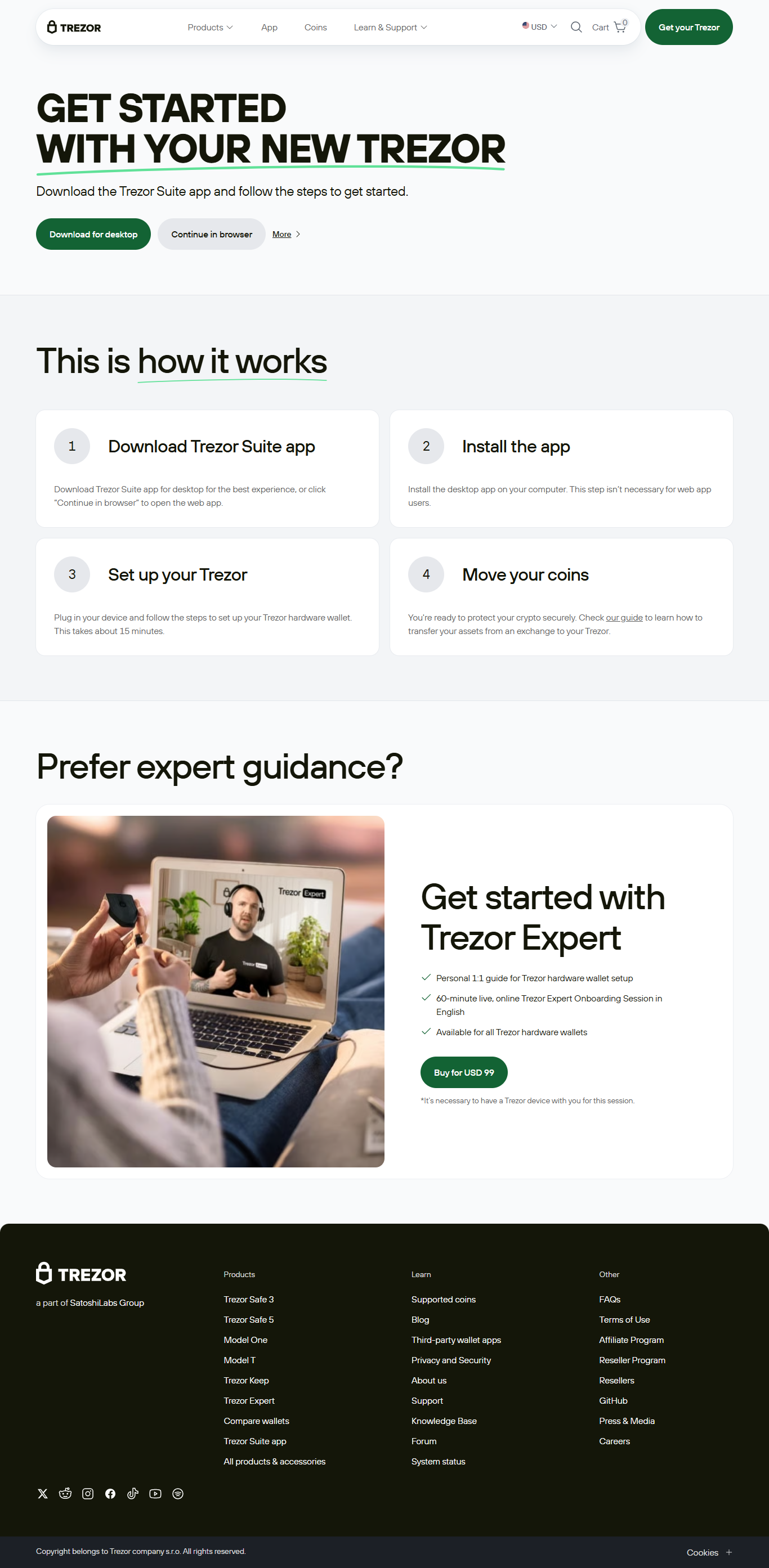
Trezor Bridge – Hardware Wallet Communication App
In the rapidly evolving world of cryptocurrency, security is paramount. Hardware wallets have become the gold standard for safeguarding digital assets, offering offline storage for private keys and robust protection against hacks. However, hardware wallets alone are not enough; they need a secure way to communicate with software interfaces and blockchain networks. This is where Trezor Bridge comes in.
Trezor Bridge is the official communication application developed by SatoshiLabs, designed to facilitate seamless interaction between Trezor hardware wallets and desktop or web applications. Acting as a bridge between the physical wallet and the blockchain, it ensures secure, reliable, and efficient communication, allowing users to manage their digital assets safely.
This article explores Trezor Bridge in detail, including its functions, security features, setup process, compatibility, and role in the Trezor ecosystem.
What Is Trezor Bridge?
Trezor Bridge is a small but essential software application that enables computers to communicate with Trezor hardware wallets. When using Trezor Suite, web wallets, or third-party integrations, the bridge acts as an intermediary, translating instructions between the wallet and the computer.
Without Trezor Bridge, the Trezor device cannot interact with desktop applications or browsers, making it impossible to manage cryptocurrencies efficiently. The bridge works in the background, ensuring that communication is smooth, encrypted, and fully compatible with supported wallets.
Unlike general-purpose wallet software, Trezor Bridge is focused solely on secure device communication, offering a lightweight, reliable, and transparent connection layer.
How Trezor Bridge Works
Trezor Bridge operates as a communication protocol between the hardware wallet and the software interface. Here’s how it works:
User Initiates Action: A user initiates a transaction, checks balances, or manages accounts using Trezor Suite or a supported web wallet.
Bridge Translates Commands: Trezor Bridge securely translates the software’s instructions into a format the hardware wallet can process.
Hardware Wallet Confirmation: The user confirms the action on the Trezor device itself, ensuring that sensitive keys never leave the device.
Transaction Execution: Once approved, Trezor Bridge communicates the signed transaction back to the software, which then broadcasts it to the blockchain.
By serving as a secure intermediary, Trezor Bridge prevents direct exposure of private keys to potentially vulnerable computers or networks.
Key Features of Trezor Bridge
1. Seamless Device Integration
Trezor Bridge is designed to integrate effortlessly with Trezor hardware wallets, including Trezor Model One and Trezor Model T. Once installed, it automatically detects connected devices, enabling smooth interaction with Trezor Suite and supported web wallets.
Users can connect multiple Trezor devices simultaneously, allowing efficient management of multiple portfolios from a single computer.
2. Secure Communication
Security is the cornerstone of Trezor Bridge. All data transmitted between the device and computer is encrypted, and critical actions such as transaction signing occur exclusively on the hardware wallet.
Key security measures include:
Encrypted USB communication
Device authentication to prevent unauthorized access
Isolation of private keys on the Trezor device
Minimal exposure of sensitive data to the host system
These measures make Trezor Bridge a safe solution even when the computer is connected to the internet.
3. Cross-Platform Compatibility
Trezor Bridge is compatible with all major desktop operating systems, including:
Windows (Windows 10 and later)
macOS (latest versions)
Linux
This ensures that virtually all Trezor users can use the bridge without worrying about system limitations.
4. Lightweight and Easy to Install
The Trezor Bridge application is small, efficient, and easy to install. Installation requires minimal steps, and the software runs unobtrusively in the background. Once installed, it requires no additional configuration, making it accessible to beginners and advanced users alike.
5. Automatic Updates
Trezor Bridge is regularly updated to ensure compatibility with the latest hardware firmware, Trezor Suite features, and web wallet integrations. Updates often include:
Security patches
Performance improvements
Support for new cryptocurrencies
Enhanced compatibility with third-party wallets
Automatic updates ensure that users always benefit from the latest security and functionality enhancements.
6. Open-Source Transparency
Trezor Bridge, like other Trezor software components, is open-source. Its source code is publicly available for review, ensuring that users and developers can verify its security and integrity.
Benefits of open-source development include:
Transparency and trust
Community-driven audits and improvements
Faster identification and resolution of potential vulnerabilities
Alignment with the decentralized ethos of cryptocurrency
Why Trezor Bridge Is Essential
While Trezor hardware wallets are secure on their own, they require software to interact with the blockchain. Trezor Bridge ensures that this interaction is:
Secure: Sensitive data never leaves the device.
Reliable: Transactions and portfolio updates are executed without errors.
Efficient: Communication happens seamlessly, with minimal delay.
Compatible: Supports Trezor Suite, web wallets, and third-party apps.
Without Trezor Bridge, users would face compatibility issues or be forced to use less secure alternatives, reducing the overall effectiveness of the hardware wallet.
Installing Trezor Bridge
Installing Trezor Bridge is straightforward:
Download the Installer: Visit the official Trezor website to download the bridge for your operating system.
Run the Installer: Follow on-screen instructions to complete the installation.
Connect Your Device: Plug in your Trezor hardware wallet via USB.
Verify Detection: Open Trezor Suite or a supported web wallet to confirm that the device is recognized.
Once installed, Trezor Bridge runs in the background and automatically handles communication whenever the hardware wallet is connected.
Trezor Bridge vs Other Wallet Communication Methods
Traditional wallet software often relies on browser-based or direct USB communication without a dedicated bridge. Trezor Bridge offers several advantages over these methods:
FeatureTrezor BridgeDirect USB/Web Wallet CommunicationSecurityEncrypted and verifiedDependent on browser/device securityDevice CompatibilityAll Trezor hardwareLimited or inconsistentUpdatesAutomatic, verifiedManual or limitedOpen-sourceYesOften proprietaryMulti-device supportYesLimited
By providing a secure, dedicated communication layer, Trezor Bridge minimizes risk and maximizes reliability.
Best Practices for Using Trezor Bridge
To ensure maximum security and usability:
Always download Trezor Bridge from the official website
Keep both Trezor Bridge and your hardware wallet firmware up to date
Confirm all transactions on the hardware device, not on the computer
Avoid using Trezor Bridge on public or untrusted computers
Regularly check device recognition and connection status
Following these practices ensures that the bridge remains a secure and reliable intermediary between your hardware wallet and the blockchain.
Who Should Use Trezor Bridge?
Trezor Bridge is essential for anyone using Trezor hardware wallets, including:
Long-term cryptocurrency investors (HODLers)
Active traders managing multiple assets
Privacy-conscious users requiring secure communication
Beginners seeking a reliable and official connection method
Developers integrating Trezor support into third-party apps
It is suitable for all levels of users and forms a critical part of the Trezor ecosystem.
Conclusion
Trezor Bridge – Hardware Wallet Communication App is a vital component of the Trezor ecosystem. While the hardware wallet secures your private keys, Trezor Bridge ensures that communication with desktop and web applications is encrypted, seamless, and reliable.
By providing a lightweight, cross-platform, open-source, and regularly updated solution, Trezor Bridge guarantees that users can manage their digital assets safely and efficiently. Whether you are sending Bitcoin, managing Ethereum tokens, or using Trezor Suite to monitor a multi-asset portfolio, Trezor Bridge is the secure communication backbone that makes it all possible.
For anyone serious about cryptocurrency security and reliability, Trezor Bridge is not just useful—it is essential. It ensures that your hardware wallet can function as intended while keeping your private keys offline and fully protected.