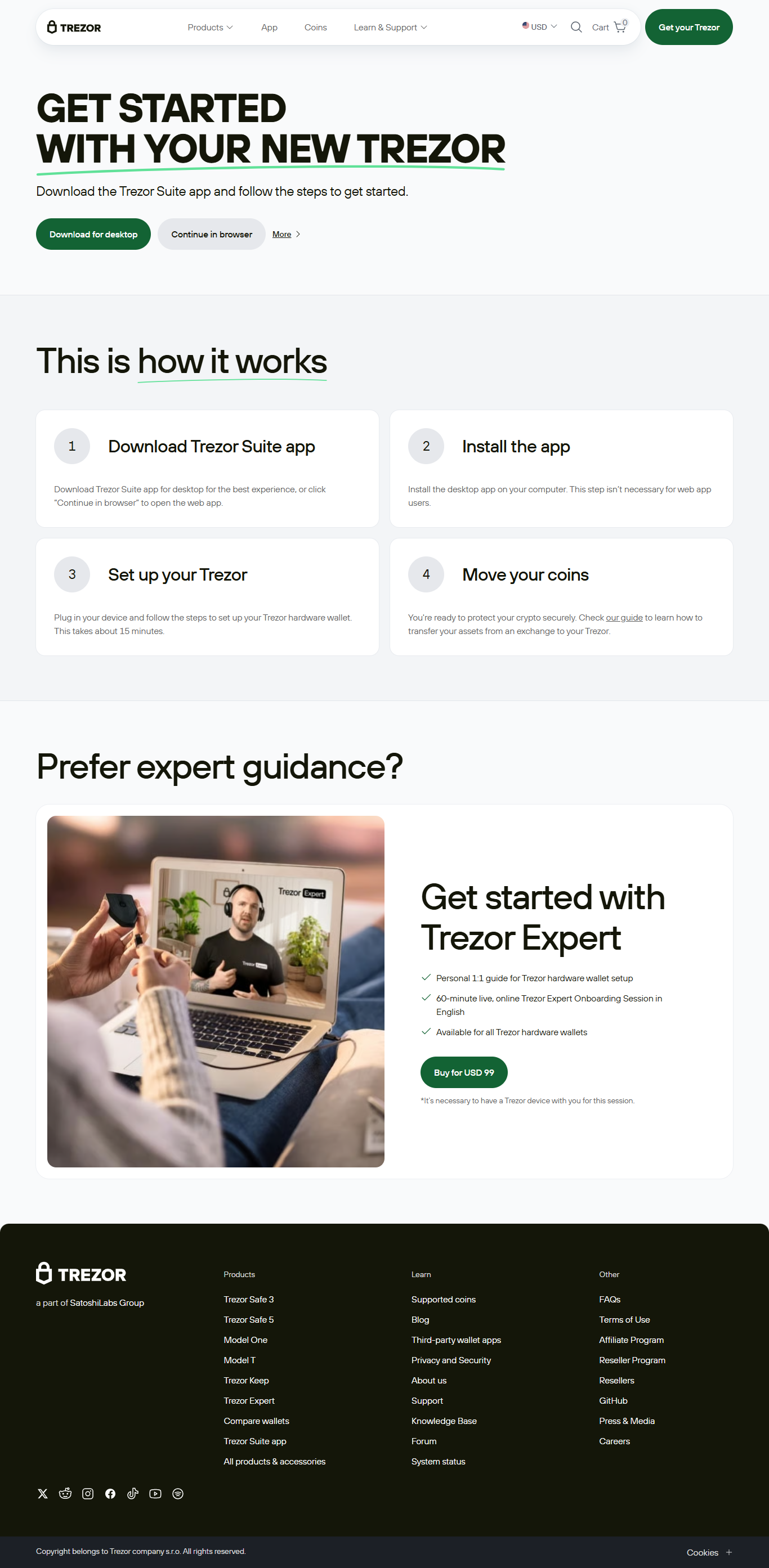
Trezor Bridge – Essential Wallet Integration Tool
The cryptocurrency ecosystem has rapidly evolved over the past decade, offering new opportunities for investment, decentralized finance, and digital asset management. However, with innovation comes risk. Hacks, phishing attacks, and software vulnerabilities highlight the importance of secure and reliable wallet management. For Trezor hardware wallet users, the solution lies in Trezor Bridge—the essential tool that ensures seamless, secure, and efficient integration between hardware wallets and software interfaces.
Trezor Bridge is not just a software utility; it is the critical link that enables Trezor users to manage their crypto portfolios safely, interact with web wallets, and use applications like Trezor Suite without exposing private keys to the internet. In this article, we will explore Trezor Bridge in depth, its functionality, security, usability, and why it is indispensable for every Trezor hardware wallet owner.
What Is Trezor Bridge?
Trezor Bridge is an official software tool developed by SatoshiLabs, the creators of Trezor hardware wallets. Its primary purpose is to act as a communication layer between Trezor devices, such as the Trezor Model One and Trezor Model T, and your computer or compatible browser applications.
Without Trezor Bridge, hardware wallets cannot interact effectively with web interfaces or desktop applications. It ensures that every transaction, command, and verification step is encrypted, authenticated, and securely transmitted, making it an essential integration tool for Trezor users.
Trezor Bridge is compatible with major operating systems, including Windows, macOS, and Linux, and works seamlessly with modern browsers such as Chrome, Firefox, and Edge. This cross-platform compatibility makes it accessible for both beginners and advanced users.
Why Trezor Bridge Is Essential
While Trezor hardware wallets are secure on their own, Trezor Bridge enhances their functionality by facilitating secure software integration. Here’s why it is indispensable:
Secure Communication
Trezor Bridge ensures encrypted communication between your hardware wallet and applications like Trezor Suite. This prevents malware, phishing attacks, and man-in-the-middle exploits from compromising transactions or exposing sensitive data.
Seamless Connectivity
Before Trezor Bridge, connecting hardware wallets to browsers or desktop apps was cumbersome, often requiring complex drivers or extensions. Bridge simplifies this process, automatically detecting the device and providing a smooth connection.
Compatibility Across Platforms
Trezor Bridge standardizes connectivity across multiple operating systems and browsers, ensuring a consistent experience whether you are on Windows, macOS, or Linux.
Enabling Advanced Features
Many advanced wallet functionalities, such as passphrase-protected accounts, Shamir Backup, and secure transaction signing, rely on Trezor Bridge for safe communication between the device and software interfaces.
How Trezor Bridge Works
Trezor Bridge operates as a middleware that securely manages data transmission between your hardware wallet and applications. Here is an overview of how it works:
Device Detection
When a Trezor wallet is connected to your computer, Trezor Bridge detects the hardware and establishes a secure communication channel.Encrypted Data Transmission
All commands and data exchanges are encrypted, ensuring that private keys and sensitive information never leave the Trezor device.Command Relay
Trezor Bridge relays instructions from applications (like sending crypto, viewing balances, or signing messages) to the hardware wallet.Transaction Signing
Transactions are signed directly on the hardware device. Trezor Bridge transmits the signed transaction to the software interface for broadcasting to the blockchain.
At no point does Trezor Bridge store private keys, making it a secure conduit for hardware wallet operations.
Security Features of Trezor Bridge
Security is at the heart of Trezor Bridge, complementing the hardware wallet’s robust protection.
End-to-End Encryption
All communication between the Trezor device and software interface is encrypted, protecting sensitive information from interception or tampering.
Minimal System Permissions
Trezor Bridge operates with minimal system access, reducing the risk of potential vulnerabilities. It is designed solely to facilitate secure communication between the wallet and applications.
Open-Source Code
The open-source nature of Trezor Bridge allows security experts and the global community to audit and verify the software, ensuring transparency and continuous improvement.
No Storage of Private Keys
Trezor Bridge does not store private keys or sensitive wallet information. Its sole function is secure communication, making it a safe integration tool.
Installation and Setup
Installing Trezor Bridge is straightforward, ensuring a smooth setup for users of all experience levels.
Step 1: Download
Visit the official Trezor website and download the latest version of Trezor Bridge for your operating system. Avoid third-party sources to ensure software authenticity.
Step 2: Install
Run the installer and follow on-screen instructions. Administrative privileges may be required on certain operating systems.
Step 3: Connect Your Device
Plug your Trezor hardware wallet into your computer. Trezor Bridge will automatically detect it and prepare it for interaction with compatible software.
Step 4: Access Trezor Suite or Web Wallet
Open Trezor Suite or a supported web wallet. The Bridge ensures seamless communication with the device, enabling full wallet functionality.
Step 5: Confirm Transactions
Always verify each transaction and command directly on the Trezor device. Trezor Bridge facilitates secure transmission but never overrides user verification.
Compatibility and Updates
Trezor Bridge is regularly updated to maintain security, performance, and compatibility:
Operating Systems: Windows, macOS, Linux
Browsers: Chrome, Firefox, Edge
Hardware Wallets: Trezor Model One and Trezor Model T
Firmware: Fully compatible with the latest Trezor firmware releases
Updates are cryptographically verified, ensuring only authentic versions are installed. They often include performance improvements, new device support, and enhanced security measures.
Benefits of Trezor Bridge
Enhanced Security – Encrypts all communication between hardware wallet and software.
Easy Setup – Simplifies connection with desktop and web applications.
Cross-Platform Support – Works consistently across major operating systems and browsers.
Advanced Wallet Integration – Enables features like Shamir Backup and passphrase wallets.
Open-Source Transparency – Allows community audits and trust verification.
Seamless Functionality – Works flawlessly with Trezor Suite and third-party wallets.
Who Should Use Trezor Bridge?
Trezor Bridge is essential for:
Beginners: Makes hardware wallet setup and use simple and secure.
Long-Term Investors: Enables cold storage with advanced transaction features.
Privacy-Focused Users: Provides encrypted communication and protection from tracking.
Advanced Users: Supports multi-account management, coin control, and passphrase-protected wallets.
In short, anyone using a Trezor hardware wallet needs Trezor Bridge to unlock its full potential.
Troubleshooting Tips
While Trezor Bridge is designed for reliability, users may occasionally encounter minor issues:
Device Not Detected: Ensure Trezor Bridge is installed and your device is properly connected.
Browser Issues: Use supported browsers such as Chrome, Firefox, or Edge.
Firmware Outdated: Update Trezor firmware and Bridge software to the latest versions.
Reinstallation: Reinstalling Trezor Bridge often resolves connectivity problems.
Following these steps ensures a smooth, secure experience.
Conclusion
Trezor Bridge is an essential wallet integration tool for anyone using a Trezor hardware wallet. By providing encrypted communication, seamless device detection, and secure transaction relaying, it forms the backbone of the Trezor ecosystem.
With Trezor Bridge, users benefit from:
Secure, encrypted connections between hardware wallet and software
Cross-platform compatibility with Windows, macOS, Linux, and supported browsers
Support for advanced hardware wallet features like passphrase wallets and Shamir Backup
Easy installation and automatic device detection
Open-source transparency for community trust and security audits
For both beginners and seasoned crypto investors, Trezor Bridge ensures that every transaction, account, and operation is secure, private, and under full user control. It transforms a Trezor hardware wallet from a secure storage device into a fully functional, integrated crypto management solution.
In today’s digital asset landscape, where threats are constant and trust is vital, Trezor Bridge stands out as a reliable, secure, and indispensable tool.